Sri Lanka offers adventure, relaxation, and ancient cultural treasures. Proper planning is crucial for a safe journey, and this comprehensive guide provides tips and safety information
Pre-Departure Essentials
- Visa Requirements: To enter most countries, a visitor must have an Electronic Travel Authorization (ETA). Apply online at https://www.srilankaevisa.lk/ at least one week before your trip. Make sure your passport is valid for at least six months after you arrive, and make sure you have documentation of your lodging and subsequent travel.
- Travel insurance: Things happen that aren’t planned. Invest in comprehensive travel insurance that covers lost luggage, medical emergencies, and trip cancellations.
- Research and Plan: Sri Lanka provides a range of experiences. Look into locations according to your interests: the north’s historical treasures, the south’s surfing paradise, or the center’s stunning hill stations.

Navigating Sri Lanka
- Exchange of Currencies: The national currency is the Sri Lankan Rupee (LKR). In large cities and popular tourist locations, ATMs are widely accessible. Since change can be hard to come by, carry some smaller denomination cash for local transactions and taxi fares.
Sri Lanka provides a diverse range of transportation alternatives.
- Taxis: In cities, metered taxis are often available. If the cab is not metered, haggle over the fare in beforehand.
- Tuk-tuks: These well-known three-wheelers are an inexpensive and enjoyable mode of transportation. Before your ride, agree on a price to avoid any misunderstandings.
- Buses: Sri Lanka has an extensive public bus network that is reasonably priced for experienced travelers who don’t mind being packed.
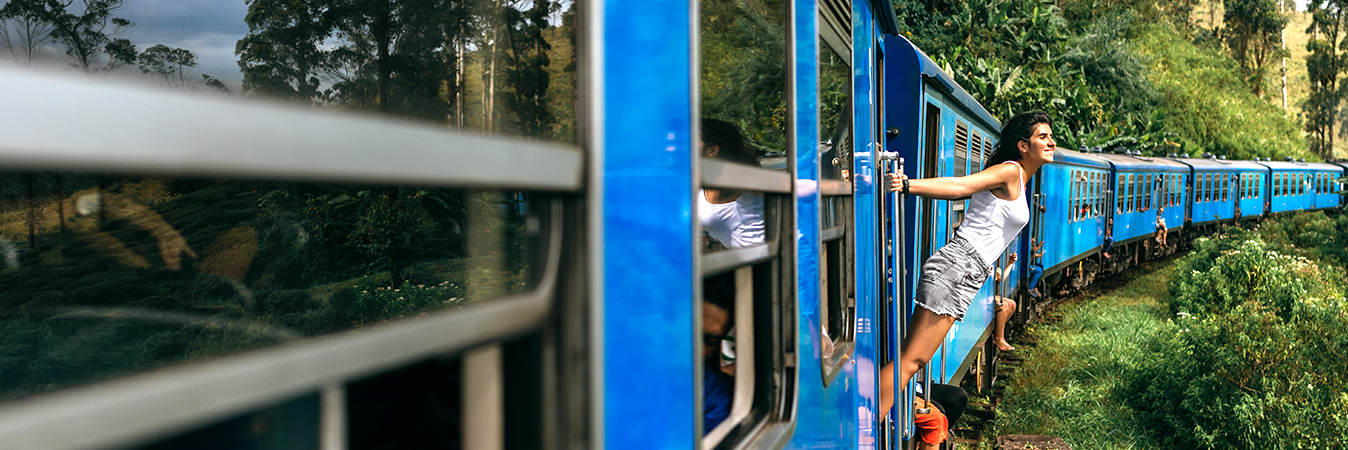
- Trains: Traveling by train in Sri Lanka is an adventure in and of itself, especially the picturesque hill country route. For popular routes, especially during high season, purchase tickets in advance.
- Distance and Weather: To determine how long it will take to go between locations, use an online distance calculator such as Google Maps (https://maps.google.com). It will be easier for you to pack properly if you are aware of local weather patterns. Visit websites like https://www.accuweather.com/ to check the weather forecast.
Cultural Considerations
- Dress Modestly: The culture of Sri Lanka is traditional. Dress modestly to honor local traditions, especially while visiting places of worship. Choose long skirts or slacks that fall beyond the knees and tops that cover your shoulders.
- Salutations and Protocols: A friendly grin and a small bow are customary. When visiting temples and other places of worship, take off your shoes and headgear. It’s considered disrespectful to eat, give, or receive objects with your left hand.
Safety on the Go
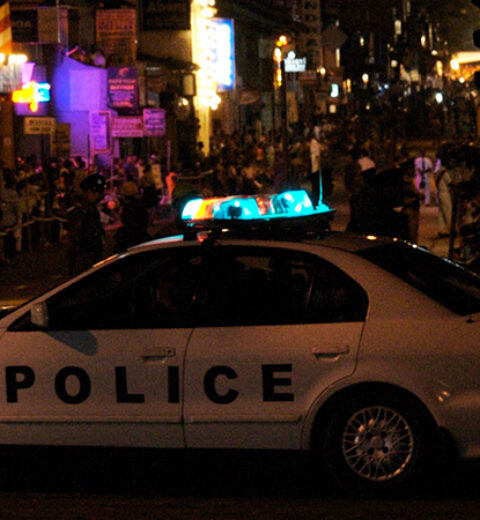
- Overall Safety: Although small-time theft can happen in crowded places, Sri Lanka is a generally safe country. Preserve your belongings and refrain from carrying large amounts of cash. When out on your own at night, especially in remote regions, use caution.
- Road Safety: Outside of large cities, Sri Lankan traffic can be particularly chaotic. When crossing roads, use caution and pay attention to motorbikes and tuk-tuks as they do not always abide by traffic laws. If you’re not familiar with the roads, think about renting a car with a driver.
- Animal Encounters: A variety of animals can be seen in Sri Lanka. In national parks, exercise caution when around wild animals and refrain from feeding them. Always abide by park restrictions and stick to authorized trails.
- Natural Disasters: During the monsoon seasons (May-September in the southwest and October-February in the northeast), Sri Lanka is particularly vulnerable to landslides and sporadic monsoon rainfall. In the event of an emergency, keep up with local advisories and weather forecasts.
- Medical Emergencies: In case of medical emergencies, keep a basic first-aid kit and any required drugs with you. Even while Sri Lanka offers top-notch medical services, many regions may lack access to them. Having medical coverage on your travel insurance is highly recommended.
Staying Connected
- Mobile phones: You can get cheap calls and internet access by buying a local SIM card.
- Power Adapters: Compared to other nations, Sri Lanka utilizes a distinct plug type (BS 546). Carry a multipurpose travel adaptor to guarantee that your electronics can be charged.