Beyond its stunning backdrop, Sri Lanka is an enthralling island home to immaculate beaches, historic sites, and verdant landscapes. You can bring home a memento of Sri Lanka from the bustling shopping environment, including fine crafts and locally mined diamonds. This in-depth book explores the vast array of shopping opportunities in Sri Lanka, including assistance in navigating marketplaces, locating distinctive souvenirs, and making ethical choices.
Gems and Jewelry
- With a long history of gem mining, Sri Lanka, also referred to as the “Ratnapura” or “Gem City,” is a gem-rich country. Gorgeous gems from Sri Lanka, such as moonstones, sapphires, rubies, amethysts, and topazes, can mesmerize your loved ones.
- Where to Purchase: Major cities like Colombo, Kandy, and Ratnapura are home to reputable gem retailers. Seek out stores that employ gemologists and have authenticity certificates on hand.
- Tips: Although haggling is customary in certain stores, try not to go crazy. Fair pricing promotes local companies and guarantees ethical sourcing.

Ceylon Tea
- The iconic Ceylon tea from Sri Lanka is a must-have memento. There is a flavor to suit every palate, ranging from aromatic white teas to refreshing green teas and fragrant black teas.
- Where to Purchase: Tea farms have stores offering fresh, premium tea on-site as well as industrial tours. Cities also have a large selection of specialty tea stores.
- Tips: For a longer shelf life, choose loose-leaf tea that is sealed in airtight containers. Try some of the specialty tea blends made locally, such as those with ginger or cinnamon flavors.
Batik Fabrics and Clothing
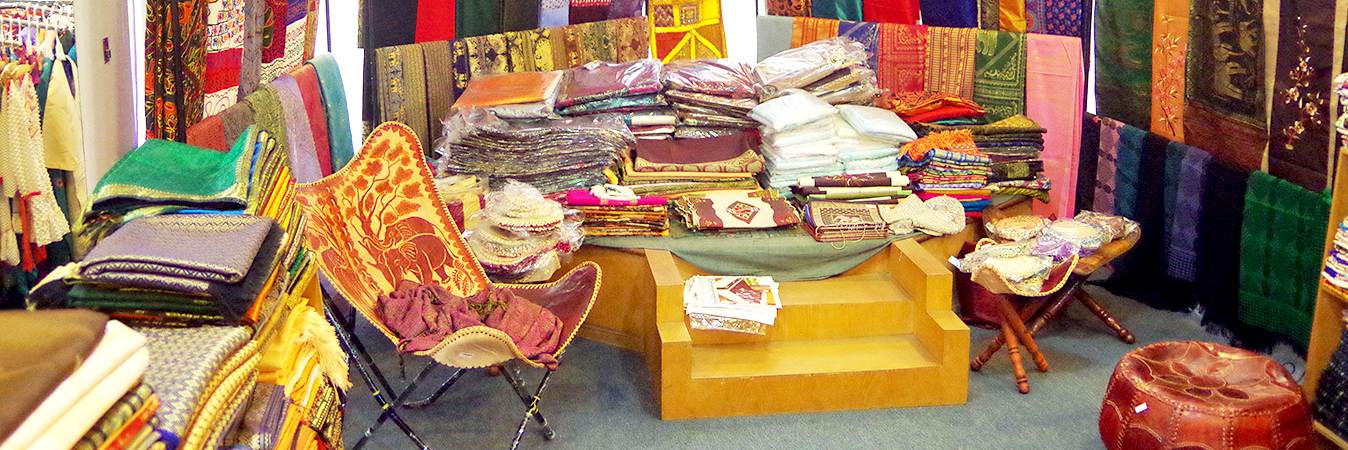
- Sri Lankan batik is a colorful art style in which fabric is hand-dyed with elaborate motifs. Discover exquisitely made tablecloths, wall hangings, skirts, blouses, and sarongs made from batik fabric.
- Where to Purchase: Major cities have Laksala shops, which are run by the government and provide a large assortment of genuine Batik at set pricing. You can also find a good assortment at local markets and artisan stores.
- Tips: Seek superior fabric and Batik with elaborate designs. Purchase directly from workshops or smaller craft stores to show your support for regional artists.
Handicrafts and Wood Carvings
- Sri Lanka has a long history of producing handcrafted goods. Discover exquisitely carved wooden masks portraying legendary creatures, finely woven baskets, and ornamental brassware.
- Where to Purchase: An excellent place to start is any of the island’s local markets. Government-run Laksala shops provide a carefully chosen assortment, and you may observe the crafting process directly at workshops in Galle and Kandy.
- Tips: Bargaining is common in markets; nevertheless, exercise tact. Seek for finely made objects with deft finishing and minute detailing.
Spices and Herbs
Vibrant spices are often used in Sri Lankan cuisine. Ensure you have plenty of aromatic cardamom pods, spicy chiles, cinnamon sticks, and curry powders on hand.
Where to Buy: Local markets provide spice shops with a wide assortment at affordable costs. Supermarkets offer a good assortment as well.
Tips: To ensure freshness, choose spices that are sealed in airtight containers. To make sure the spices are strong and aromatic, smell them.
Other Unique Souvenirs
- Dumbara Mats & Cane Boxes: These elaborate, handwoven mats and boxes have geometric patterns and make lovely and useful mementos.
- Sarongs and Sarees from Sri Lanka: Wear a cozy sarong or a vivid saree to experience Sri Lankan style.
- Porcelain Dinnerware: Stylish porcelain dinnerware with elaborate decorations creates a one-of-a-kind and exquisite memento.
- Figurines of Elephants: Discover beautifully carved elephants in a range of sizes made of brass or wood. Pay attention to customs laws when buying wooden goods.
- Antiques: Sri Lanka has a range of antique jewelry, antiquities, and furniture for the discriminating collector. Make sure to get these goods from reliable stores that have authenticity certificates.
Responsible Shopping:
- Support local artists by purchasing directly from nearby workshops or artists. This promotes the preservation of traditional crafts and guarantees fair compensation.
- Seek for Eco-Friendly Products crafted from natural materials rather than trinkets depicting protected or endangered animals.
- In markets, haggling is normal, but it should be done politely and with consideration for what is fair to both sides.
- Be mindful of any customs limitations in your place of origin, particularly concerning antiques, wood goods, and wildlife products.